Market Background: Growing Demand for Narrow Slitting
In modern metal processing industries, steel strip and coil materials are widely used in automotive components, household appliances, electronic parts, and industrial manufacturing. As manufacturing technologies advance, many production lines require narrow strip slitting to produce materials with tighter dimensional tolerances.
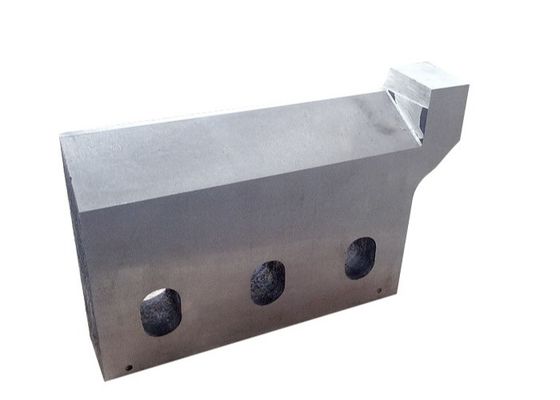
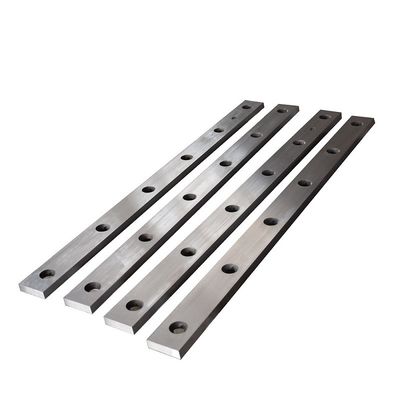
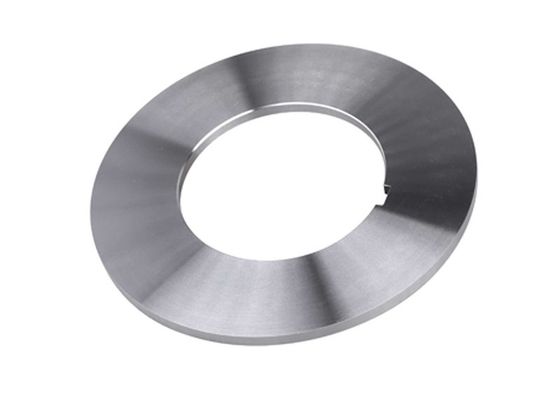
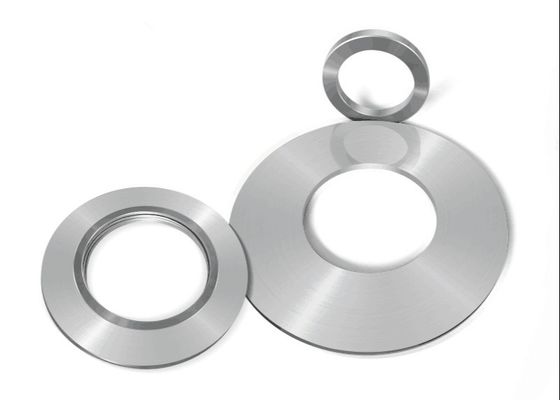
Narrow slitting operations demand high levels of precision because even small deviations in blade alignment or blade thickness can affect strip width consistency and edge quality. As a result, precision rotary shear blades have become increasingly important in maintaining stable cutting performance in slitting lines.
Why Precision Matters in Steel Strip Slitting
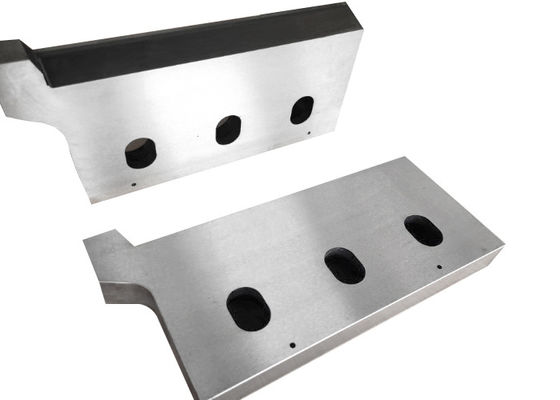
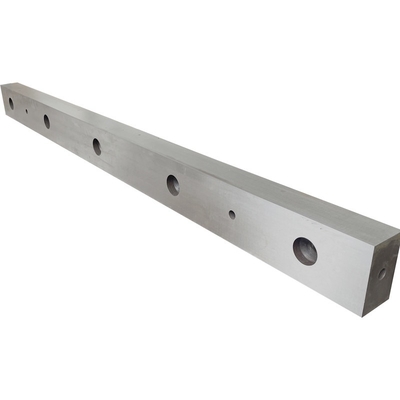
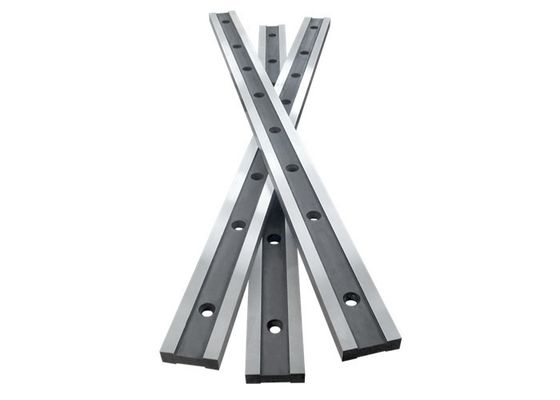
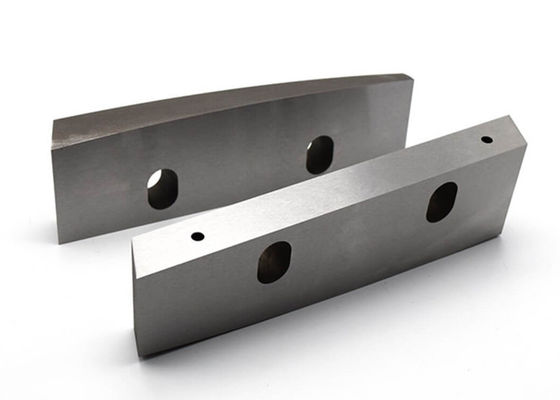
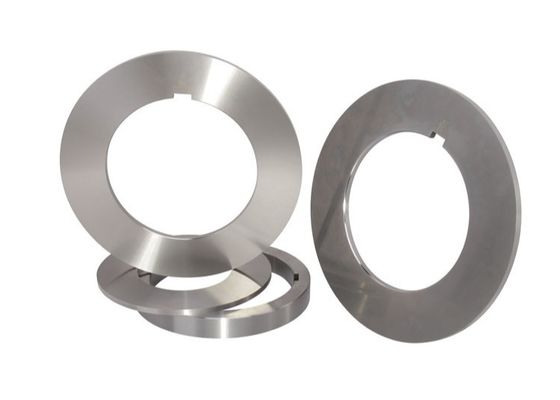
In slitting operations, rotary shear blades work in pairs—upper and lower blades—to cut metal strips. During narrow slitting, cutting clearance and blade alignment must remain consistent across the entire production process.
If blade precision is insufficient, several issues may occur:
For manufacturers producing narrow metal strips, maintaining blade precision is essential to ensure consistent product quality.
Key Factors When Selecting Precision Rotary Shear Blades
When selecting rotary shear blades for narrow slitting applications, manufacturers typically consider several technical parameters.
Blade Material
The material used in slitting knives plays an important role in cutting performance and durability. Common materials include:
These materials provide the hardness and toughness required for industrial cutting processes.
Manufacturing Precision
For narrow slitting applications, blade dimensional precision is particularly important. In many precision slitting operations, blade thickness tolerance may be controlled within ±0.001 mm to ±0.003 mm to maintain stable cutting clearance.
Heat Treatment and Hardness
Proper heat treatment helps ensure that the blade maintains cutting performance under continuous operation. Industrial rotary shear blades often have hardness levels around 58–60 HRC, depending on material and application.
Industry Trend: Precision Cutting in Modern Slitting Lines
As metal processing industries continue to develop, slitting lines are moving toward higher speeds and tighter dimensional requirements. This trend places greater emphasis on the performance of rotary shear blades used in slitting operations.
Precision blades with stable materials, controlled hardness, and accurate manufacturing tolerances help manufacturers maintain consistent strip quality and reliable production.
Conclusion
In narrow slitting applications, the performance of rotary shear blades plays a key role in maintaining strip quality and production efficiency.
By selecting precision blades manufactured with suitable materials, controlled hardness, and tight dimensional tolerances, manufacturers can improve the stability of steel strip processing and support the growing demand for high-precision metal products.


 Your message must be between 20-3,000 characters!